


The mental health crisis among young people is reaching alarming levels. According to a recent report from the World Health Organization, approximately 1.3 billion teenagers globally are suffering from mental health disorders, underscoring the need for urgent action and support. This crisis has brought new challenges to light, including the role that constant digital connectivity plays in mental well-being. From incessant social media notifications to unwanted calls and messages, our phones can often feel like a source of stress rather than a tool for connection.
At SpoofCard, we are not only committed to protecting your privacy but also supporting your mental well-being by helping you manage the digital noise in your life. Here’s how we can help during this critical time.
The Link Between Digital Intrusions and Mental Health
In a world where people are constantly connected, unsolicited calls and texts can exacerbate feelings of anxiety and stress. Whether it's spam, telemarketing, or unwanted messages, the pressure of dealing with these interruptions can lead to negative impacts on mental health. This is particularly important for teenagers, many of whom are already struggling with the challenges of growing up in an increasingly digital world.
Research shows that continuous interruptions from digital sources can increase anxiety and make it difficult to concentrate on important tasks like studying or self-care. For someone already dealing with mental health challenges, constant interruptions may worsen the feeling of being overwhelmed. That’s where SpoofCard comes in.
How SpoofCard Protects Your Privacy and Mental Health
SpoofCard allows users to mask their real phone numbers, providing a layer of privacy that can help reduce unwanted calls and texts. By giving you control over who can contact you, SpoofCard can help alleviate some of the anxiety associated with these digital intrusions. Here’s how:
- Shield Your Personal Number: With SpoofCard, you can make and receive calls without exposing your actual phone number. This helps protect your personal information from data brokers and organizations that might sell your number to third parties, including telemarketers and spammers.
- Reduce Unwanted Contact: For teenagers facing mental health challenges, avoiding unwanted calls and messages is crucial. SpoofCard helps you block these interruptions by allowing you to give out a temporary number when needed, ensuring that your personal space is respected.
- Create Boundaries for Mental Well-Being: In today’s world, it’s important to set boundaries to maintain a healthy relationship with technology. SpoofCard empowers young people to establish those boundaries by controlling who can reach them and when.
At SpoofCard, we understand the importance of mental health. That’s why our services aren’t just about privacy; they're about creating a safer, more manageable digital environment for everyone, especially those facing the pressures of growing up in a connected world. By reducing unwanted digital interactions, we hope to contribute positively to your mental well-being.
As the global community continues to tackle the mental health crisis among youth, taking steps to protect your privacy and manage your digital interactions can be a valuable form of self-care. SpoofCard provides an easy and effective way to limit unwanted contact, helping you maintain control over your digital life—and, ultimately, your mental health.
Together, we can create a healthier, more balanced relationship with technology.
Looking for a second phone number? Discover seven real-life situations where using a privacy phone number makes more sense than sharing your personal number. Learn why more people are using a second number as a burner number alternative.
Tired of spam calls and wondering who gave out your number? Learn practical ways to protect phone number privacy, stop spam calls, and keep your personal number private.
Learn how Wi-Fi calling works, when to use it, and how it can help you make calls without cell signal while traveling, working remotely, or dealing with poor reception.
Discover five real-world situations where using a call recording app can help you remember important details, avoid misunderstandings, and save time. Learn why more people choose to record phone calls for business and personal use.
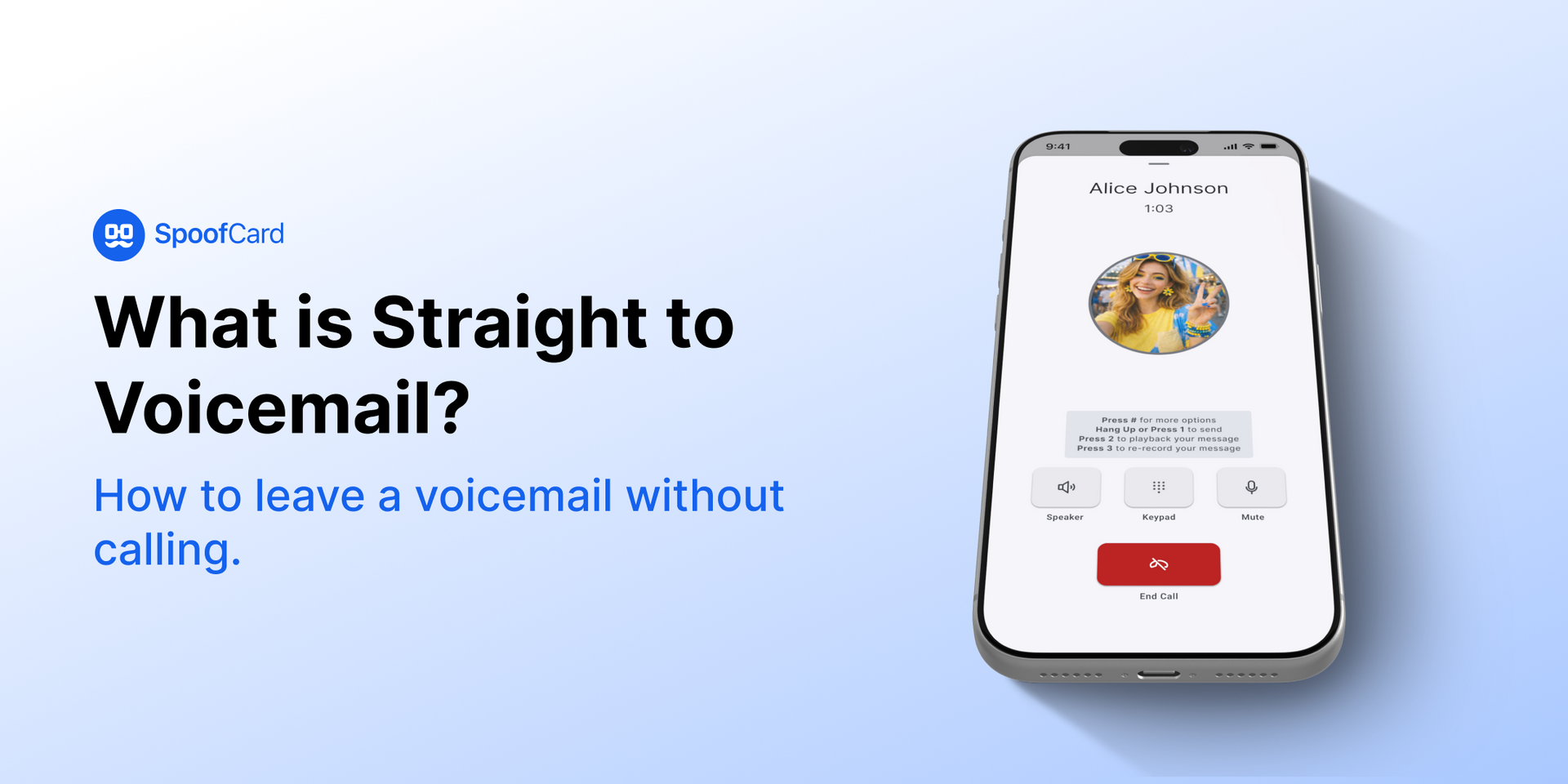
Learn how to send directly to voicemail without ringing someone's phone. Discover how Straight to Voicemail works, when to use it, and why it can save time for both personal and business communication.
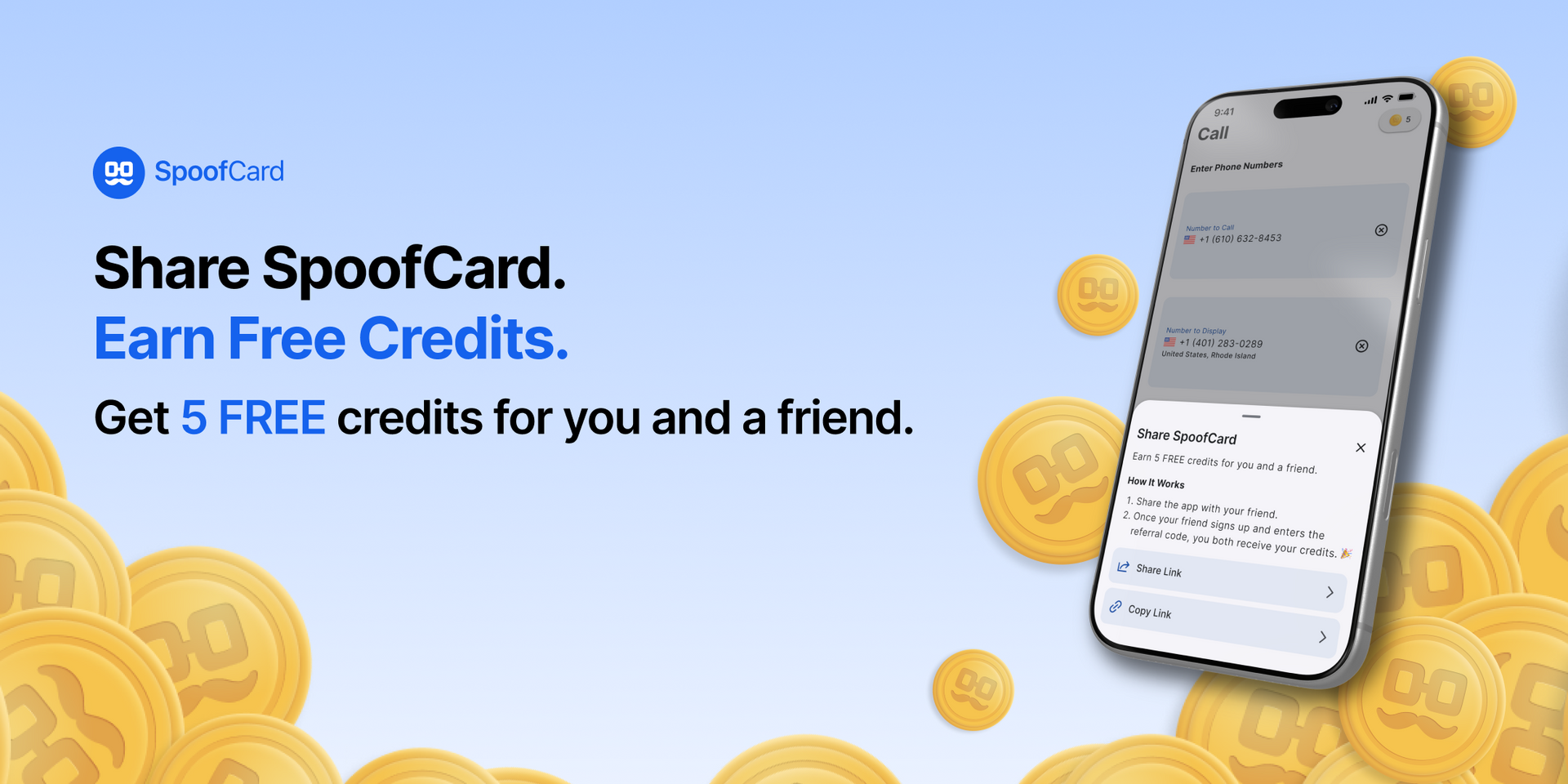
Our community has always been driven by people sharing SpoofCard with friends, family, and coworkers. Now we're making it even more rewarding.