

Tired of spam calls and wondering who gave out your number? Learn practical ways to protect phone number privacy, stop spam calls, and keep your personal number private.
Has "Who Gave You My Number?" become a personality trait?
I don't know exactly when it happened.
At some point, I stopped answering calls from unknown numbers and started treating my phone number like a family secret.
When the phone rings with an unfamiliar area code or the caller ID says something vague like, "Potential Spam," I immediately ask: "Who gave you my number?"
Not "What do you want?"
Not "Could this be important?"
Just pure suspicion because somehow, somewhere, my phone number escaped into the wild and now appears to be on a nationwide tour.
If this sounds familiar, congratulations! You're a modern adult.
Remember When Giving Out Your Number Felt Normal?
There was a time when sharing your phone number wasn't a major decision.
Need a rewards account? Sure!
Sign up for a contest? Why not.
Want 10% off your first purchase? Take my number!
Need me to create an account for literally anything? No problem.
But fast-forward a few years, and suddenly your phone is receiving warranty calls for a car you don't own, vacation offers you never requested, extended warranty reminders, political surveys, and "important information regarding your account!"
At some point, many of us start wondering how to keep our personal numbers private before they end up on yet another marketing list.
Why Spam Calls Seem Worse Than Ever
The truth is, your phone number is valuable.
Businesses use phone numbers to verify accounts, market products, send promotions, build customer databases, and identify users.
Sometimes you knowingly provide your number. Other times it's shared through third-party services, online listings, public records, or previous interactions you forgot about years ago.
The result? Your phone rings more often, and fewer of those calls are from people you actually want to talk to.
This is why searches for terms like "protect phone number privacy," "stop spam calls," and "keep personal number private" have grown dramatically in recent years. People are looking for ways to take back control.
The New Rule: Not Everyone Needs Your Real Number
Here's a thought: What if your personal phone number became something you shared only when necessary?
Most people don't hand out their home address to every website they visit. So why do we treat our phone numbers differently?
There are plenty of situations where using your personal number may not be the best option.
- Online Marketplaces
Selling furniture on Facebook Marketplace? A second number can help protect your privacy while still allowing buyers to contact you.
- Classified Ads
Whether you're selling a vehicle, renting property, or listing services, your personal number doesn't need to live on the internet forever.
- Online Forms
Sometimes businesses require a phone number even when they rarely need to call you.
- Temporary Projects
Community events, volunteer work, side hustles, and short-term projects often require communication without permanent access to your personal number.
Five Ways to Protect Your Phone Number Privacy
1. Think Before Sharing
Before entering your phone number, ask: "Will this company actually need to call me?"
If the answer is no, consider whether sharing it is necessary.
2. Avoid Posting Your Number Publicly
Search engines can index publicly available contact information.
The fewer places your number appears online, the easier it becomes to keep personal information private.
3. Use Separate Numbers for Different Purposes
Many people use dedicated numbers for:
- Business
- Online selling
- Temporary projects
- Dating apps
- Community organizations
This helps prevent unwanted calls from reaching their primary number.
4. Screen Unknown Calls
You don't have to answer every incoming call.
If it's important, they'll usually leave a voicemail.
If it's spam, they'll probably call again in six minutes.
5. Review Privacy Settings
Many apps and online accounts allow you to control how your information is shared.
Taking a few minutes to review these settings can help reduce unwanted contact.
Why More People Are Using Second Numbers
A growing number of people are realizing that privacy doesn't require disappearing from the world. It simply means having more control over who can reach you.
A second phone number allows users to:
- Keep personal numbers private
- Communicate with confidence
- Separate business and personal calls
- Reduce unwanted contact
- Protect their privacy online
Instead of giving out the same number everywhere, users can decide which contacts deserve access to their primary number.
The Real Goal Isn't to Stop Every Spam Call
Let's be honest. Completely eliminating spam calls might be impossible.
But the goal isn't perfection. The goal is taking back more control.
When you protect phone number privacy, you're deciding:
- Who gets your real number
- When they get it
- How long they keep it
- What communication belongs where
And that's a much more realistic strategy.
How SpoofCard Helps Keep Your Personal Number Private
SpoofCard gives users more flexibility and control over their communications.
SpoofCard allows users to choose how and when they share their information through features like:
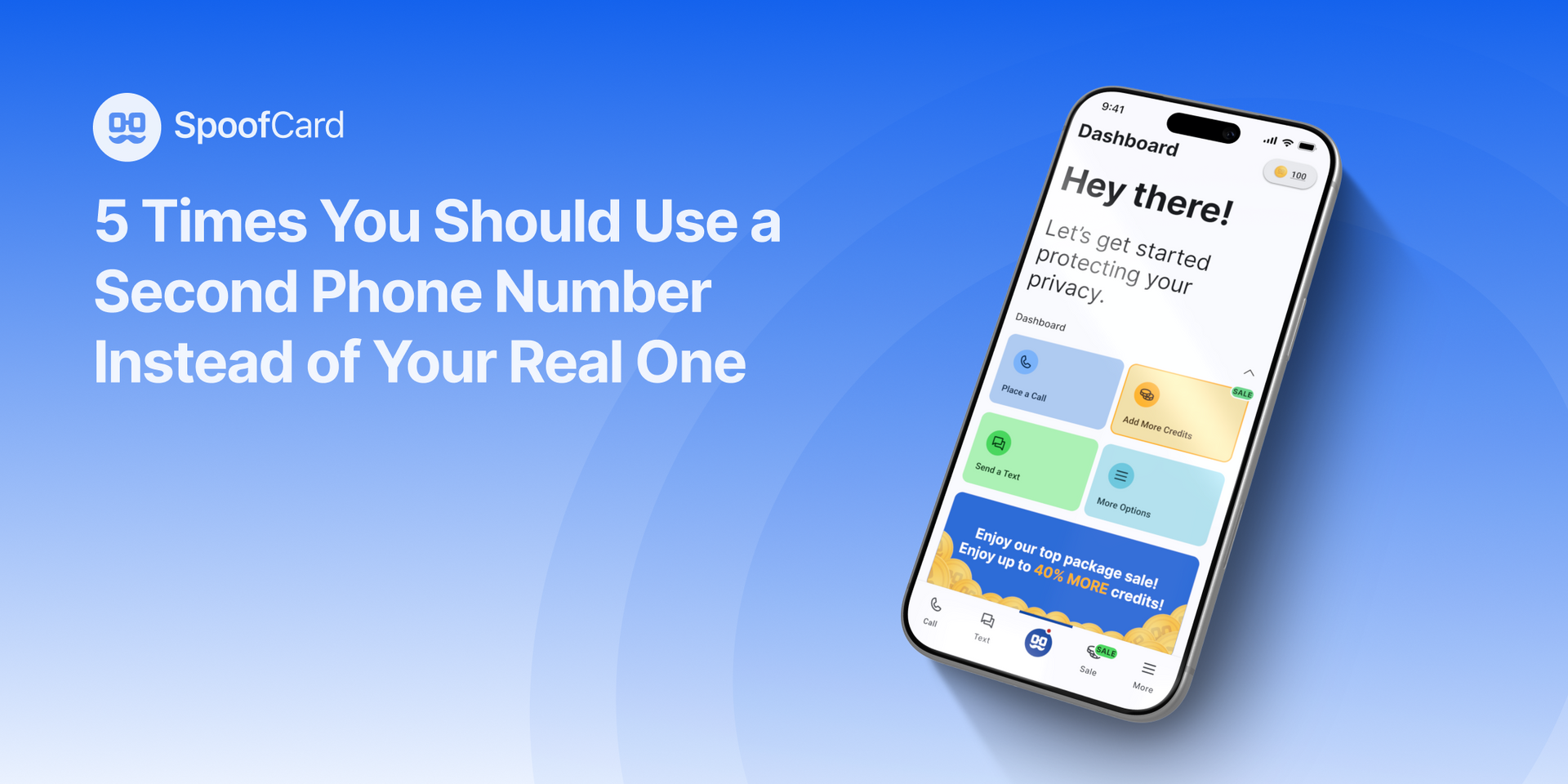
- Second phone numbers
- Custom caller ID
- Private texting
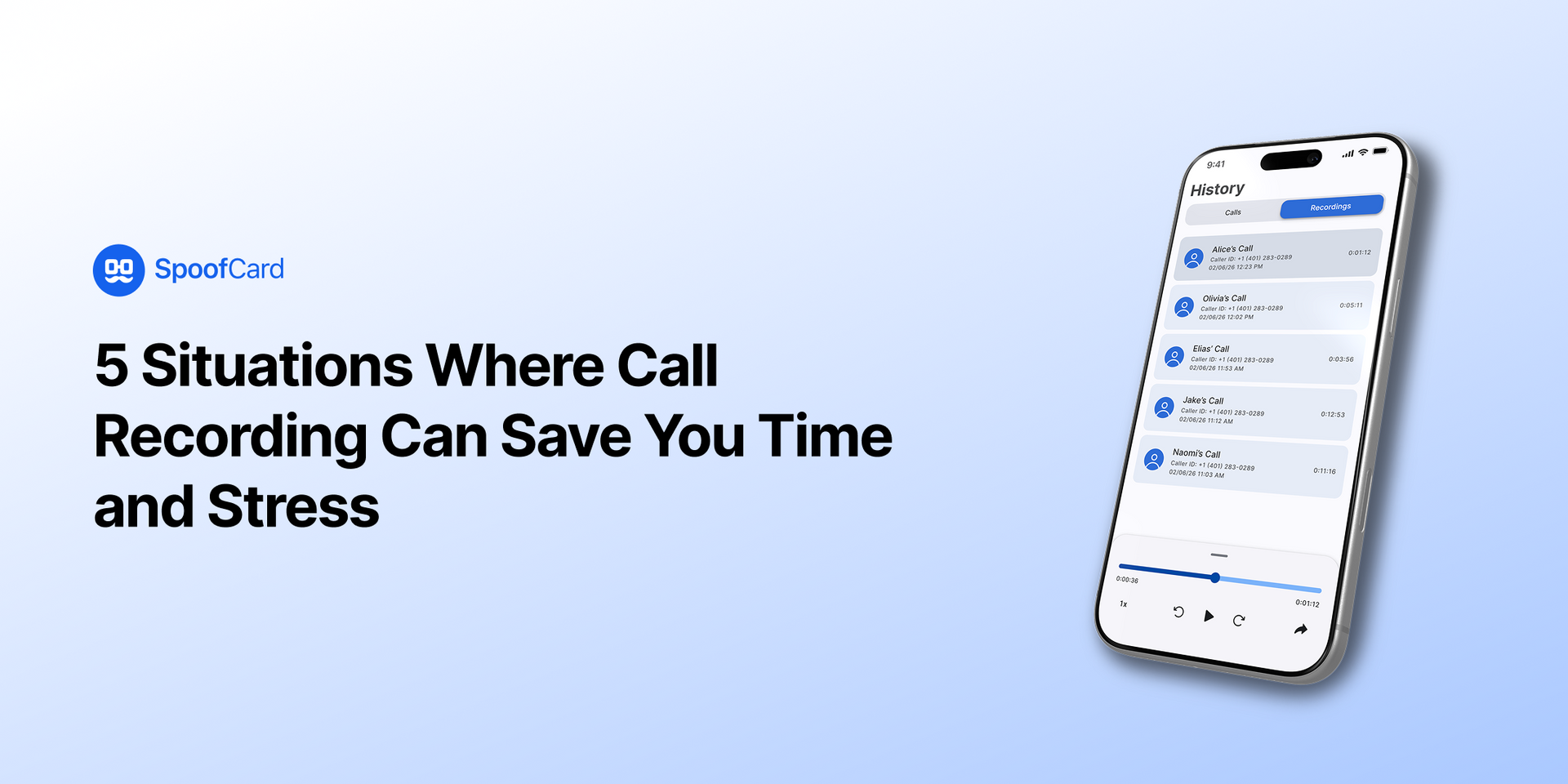
- Call recording
- Wi-Fi calling
Whether you're selling something online, running a business, or simply trying to reduce unwanted contact, SpoofCard helps you keep your personal number private while staying connected.
Final Thoughts
At some point, many of us reach the stage of life where "Who gave you my number?" becomes a perfectly reasonable reaction to an incoming call.
It's not from paranoia either, but from experience.
Protecting your phone number privacy isn't about hiding from the world. It's about deciding who gets access to one of the most personal pieces of information you own. Not every website, salesperson, online form, or random stranger needs your real number.
And your phone will probably thank you for remembering that.