



A Guide to Using SpoofCard Safely
Personal privacy has become an increasingly precious commodity in an era of digital connectivity. With the omnipresence of smartphones and the widespread use of various communication platforms, safeguarding your personal information has never been more critical. Enter SpoofCard, a tool designed to provide privacy when communicating by phone. However, like any tool, it must be used responsibly to protect personal information. In this article, we will explore the art of personal privacy and guide you on using SpoofCard safely.
Understanding SpoofCard
SpoofCard is a service that allows users to modify the information displayed on the recipient’s caller ID during a phone call. This can include changing the caller’s number, voice, and even background noises. While SpoofCard can be a valuable tool for maintaining privacy, it is essential to use it ethically and legally.
Safeguarding Your Personal Information
- Legal Compliance: Before using SpoofCard, it is crucial to be aware of and comply with local, state, and federal laws regarding caller ID masking. Using SpoofCard for illegal activities, such as harassment or fraud, is strictly prohibited.
- Ethical Use: Respect the privacy of others just as you expect them to respect yours. SpoofCard should not be used to deceive or manipulate people for malicious purposes. Be transparent and ethical in your communication.
- Consent: Always obtain consent before using SpoofCard if you plan to surprise someone or use the service for a harmless prank. Ensure that the other party is comfortable with the idea and that it remains within the bounds of legal and ethical behavior.
Practical Tips for Safe SpoofCard Usage
- Protect Your Identity: SpoofCard can be an excellent tool for protecting your identity when making business or personal calls. By displaying a generic or alternate number, you can prevent the unnecessary exposure of your personal information.
- Screen Unwanted Calls: Use SpoofCard to screen unwanted calls. By masking your real number, you can filter out spam calls and potential threats while still being reachable to those who matter.
- Enhance Personal Security: In situations where personal security is a concern, SpoofCard can be employed to maintain anonymity. This can be particularly beneficial for public figures or individuals facing harassment.
- Business Communication: For entrepreneurs and business professionals, SpoofCard can be a useful tool for separating personal and professional calls. You maintain a professional image by displaying a business number while keeping your personal number private.
Risks and Limitations
- Legal Consequences: Misuse of SpoofCard can lead to serious legal consequences. Be aware of the laws in your jurisdiction, and use the service responsibly to avoid legal troubles.
- Trust and Relationships: Using SpoofCard without the knowledge or consent of those you communicate with can damage trust and relationships. Be cautious and considerate when leveraging the service in personal or professional contexts.
The art of personal privacy involves striking a delicate balance between utilizing tools like SpoofCard for legitimate purposes and respecting the rights and privacy of others. By following ethical guidelines and legal standards, as well as incorporating practical tips for safe usage, individuals can harness the benefits of SpoofCard while safeguarding personal privacy. Remember, the goal is not to exploit technology but to use it responsibly to enhance personal security and protect the integrity of communication in an increasingly connected world.
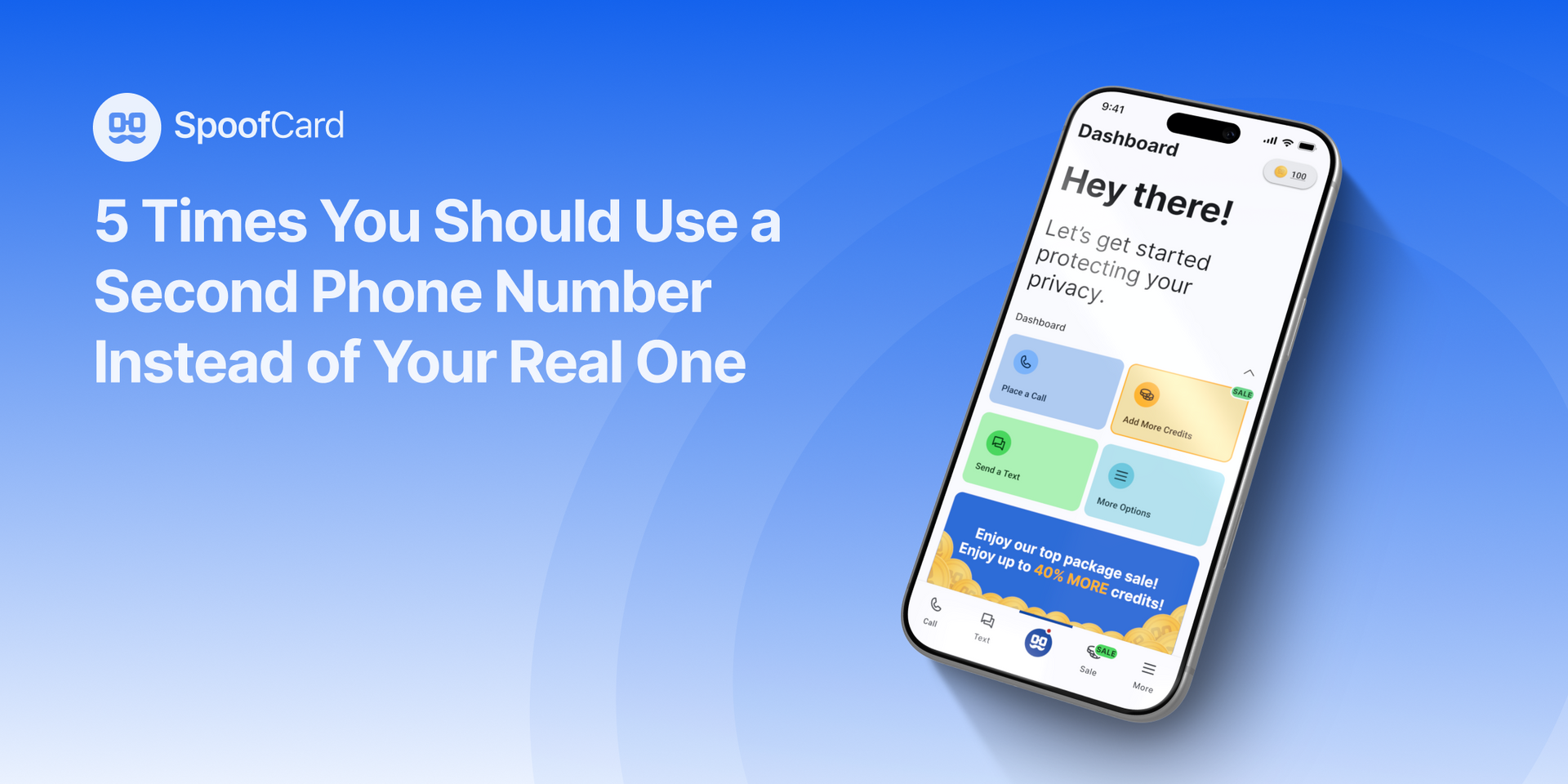
Looking for a second phone number? Discover seven real-life situations where using a privacy phone number makes more sense than sharing your personal number. Learn why more people are using a second number as a burner number alternative.
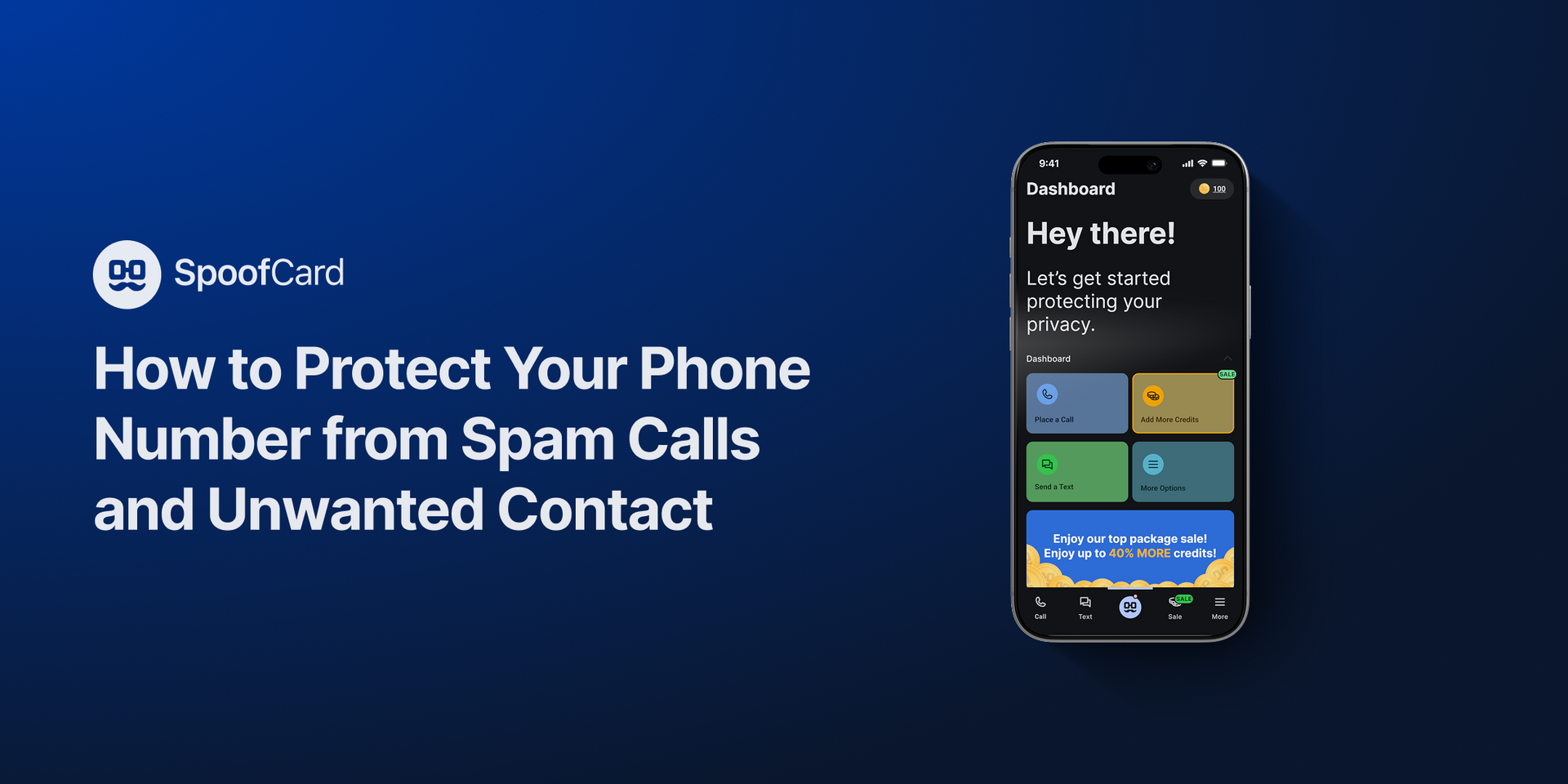
Tired of spam calls and wondering who gave out your number? Learn practical ways to protect phone number privacy, stop spam calls, and keep your personal number private.
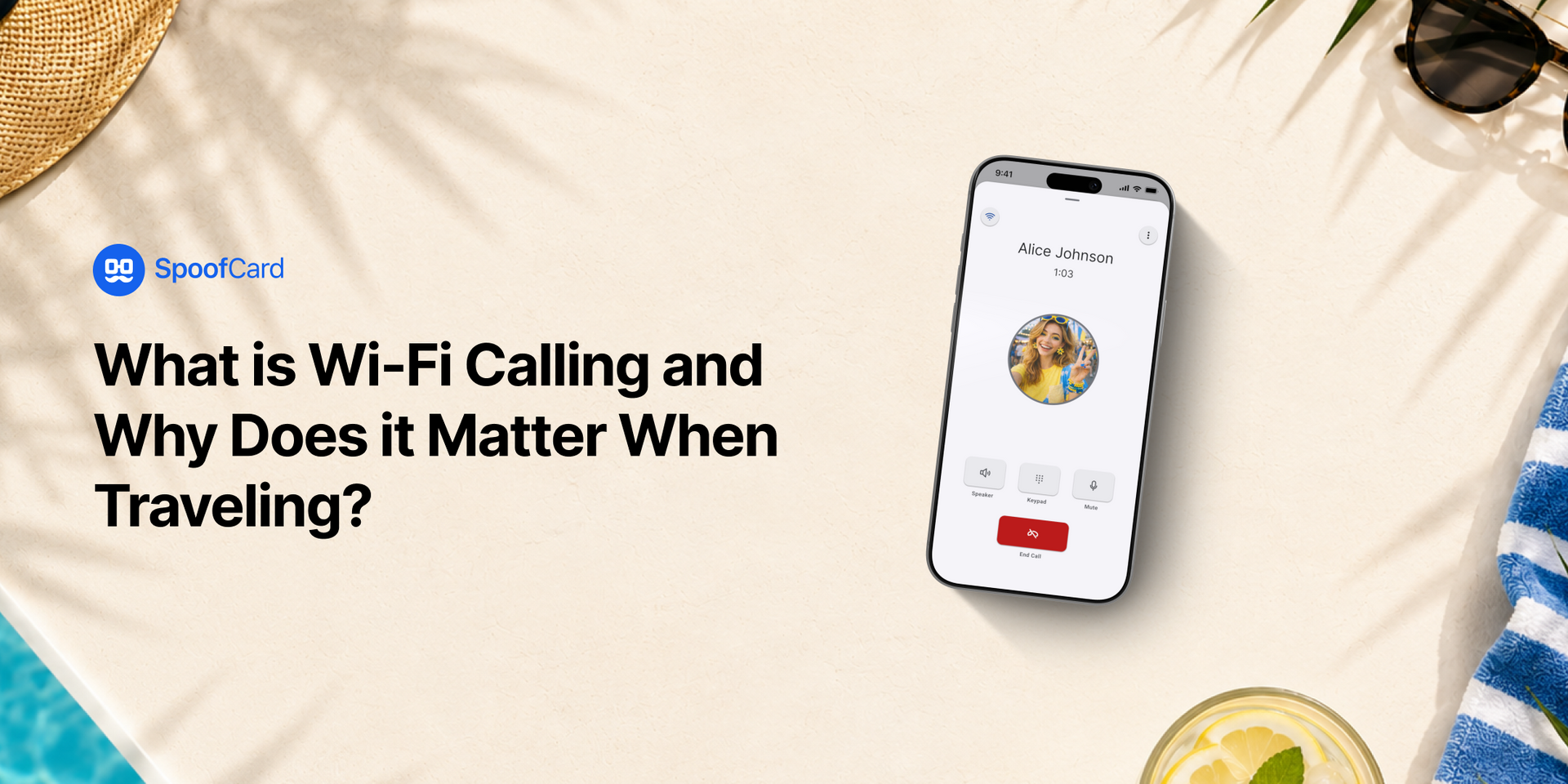
Learn how Wi-Fi calling works, when to use it, and how it can help you make calls without cell signal while traveling, working remotely, or dealing with poor reception.
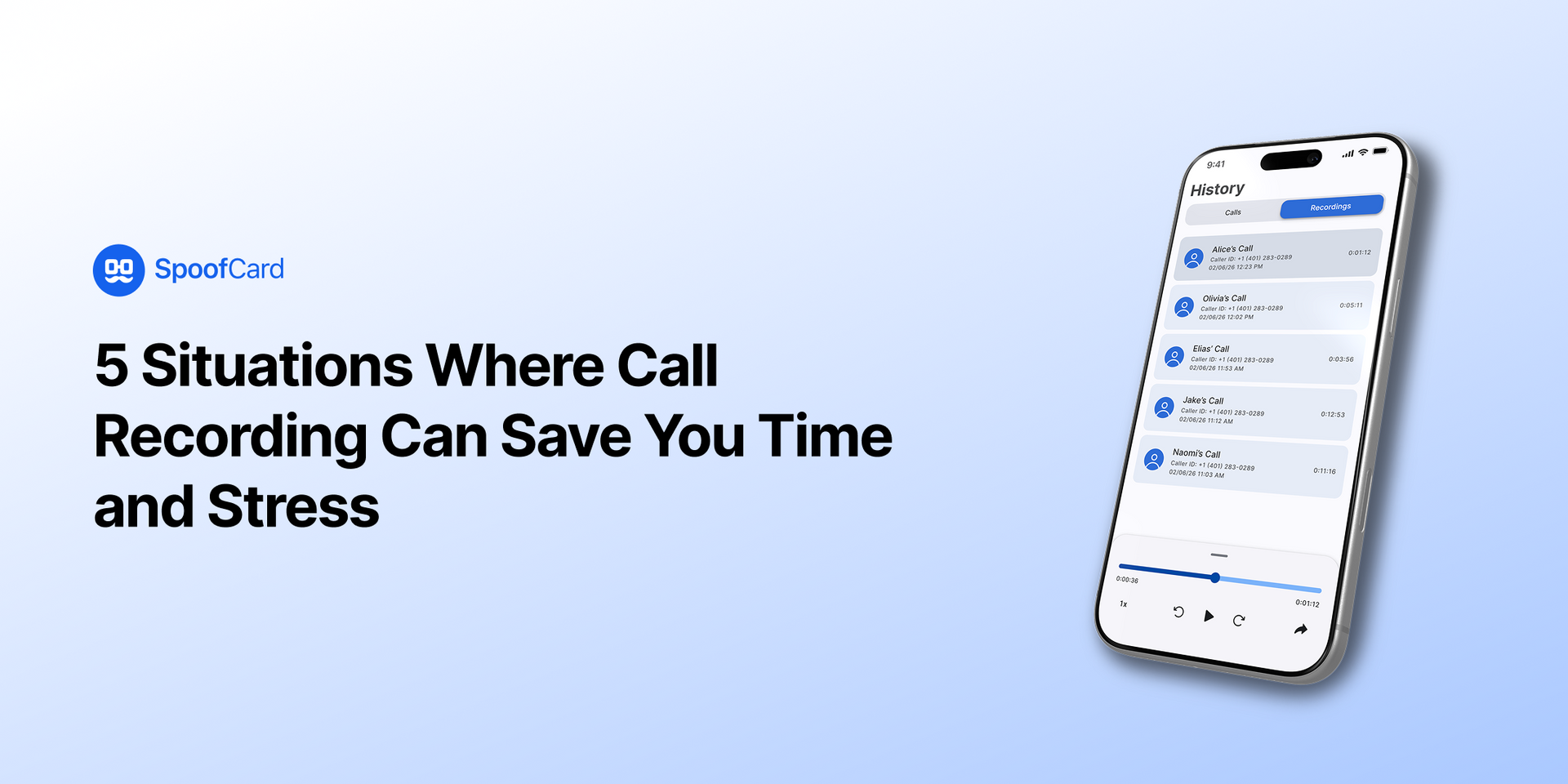
Discover five real-world situations where using a call recording app can help you remember important details, avoid misunderstandings, and save time. Learn why more people choose to record phone calls for business and personal use.
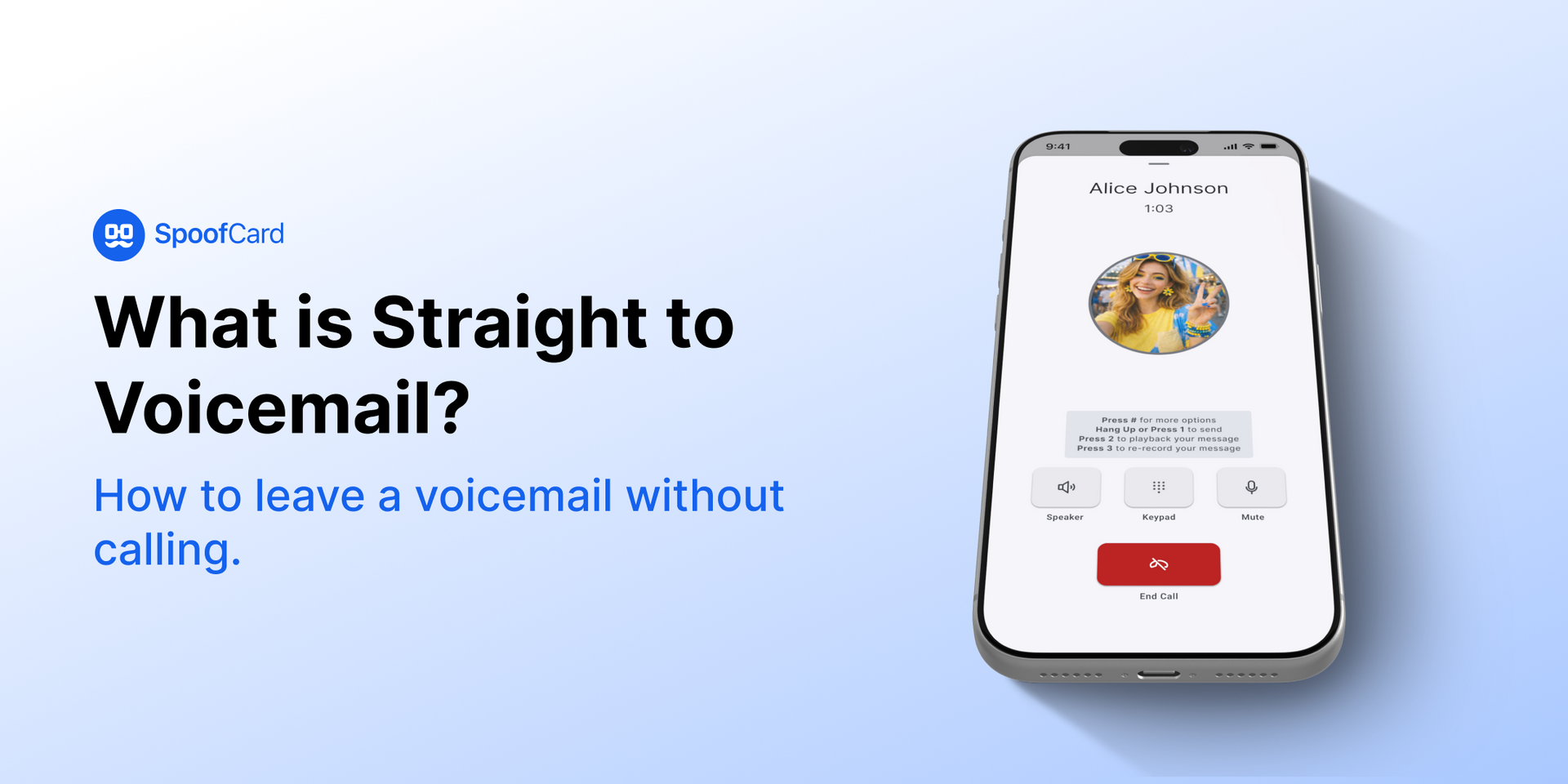
Learn how to send directly to voicemail without ringing someone's phone. Discover how Straight to Voicemail works, when to use it, and why it can save time for both personal and business communication.
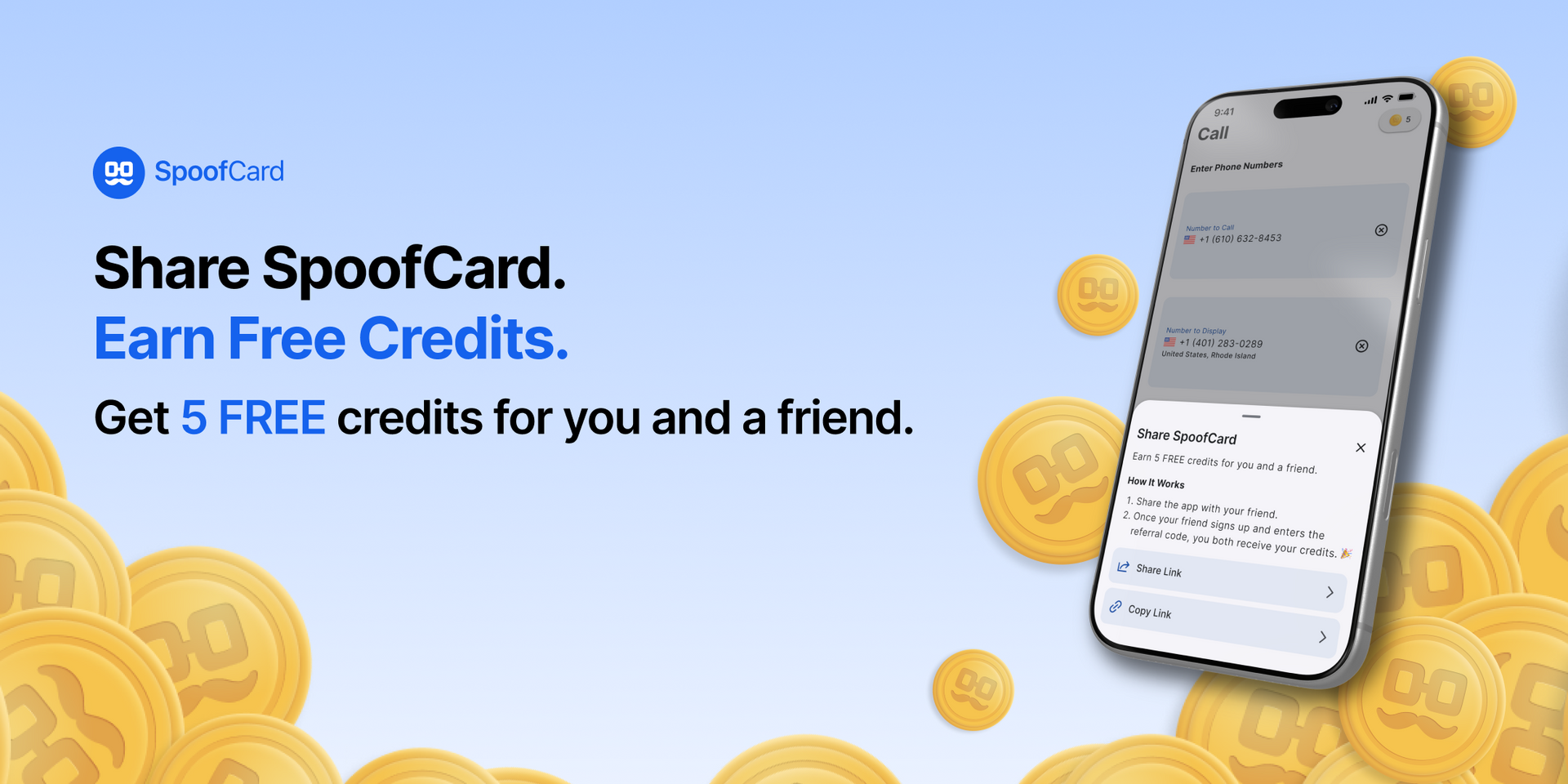
Our community has always been driven by people sharing SpoofCard with friends, family, and coworkers. Now we're making it even more rewarding.